Books
My two books examine clothes and their visual representations as sites of political expression and aesthetic imagination: my forthcoming monograph, Dressed for Dissent: Decolonial Fashion and the Queer Struggle for Palestine, explores Palestinian fashion practices as forms of queer decolonial critique and creative activism; my volume, Fashion and Feeling: The Affective Politics of Dress, co-edited with Ilya Parkins, brings together scholarship on fashion, embodiment, affect, and cultural politics. Through these projects, my work considers how fabrics, photographs, and designs by queer and/or feminist artists and communities can challenge colonial, capitalist, and heteropatriarchal systems while opening alternative ways of sensing and being in common.
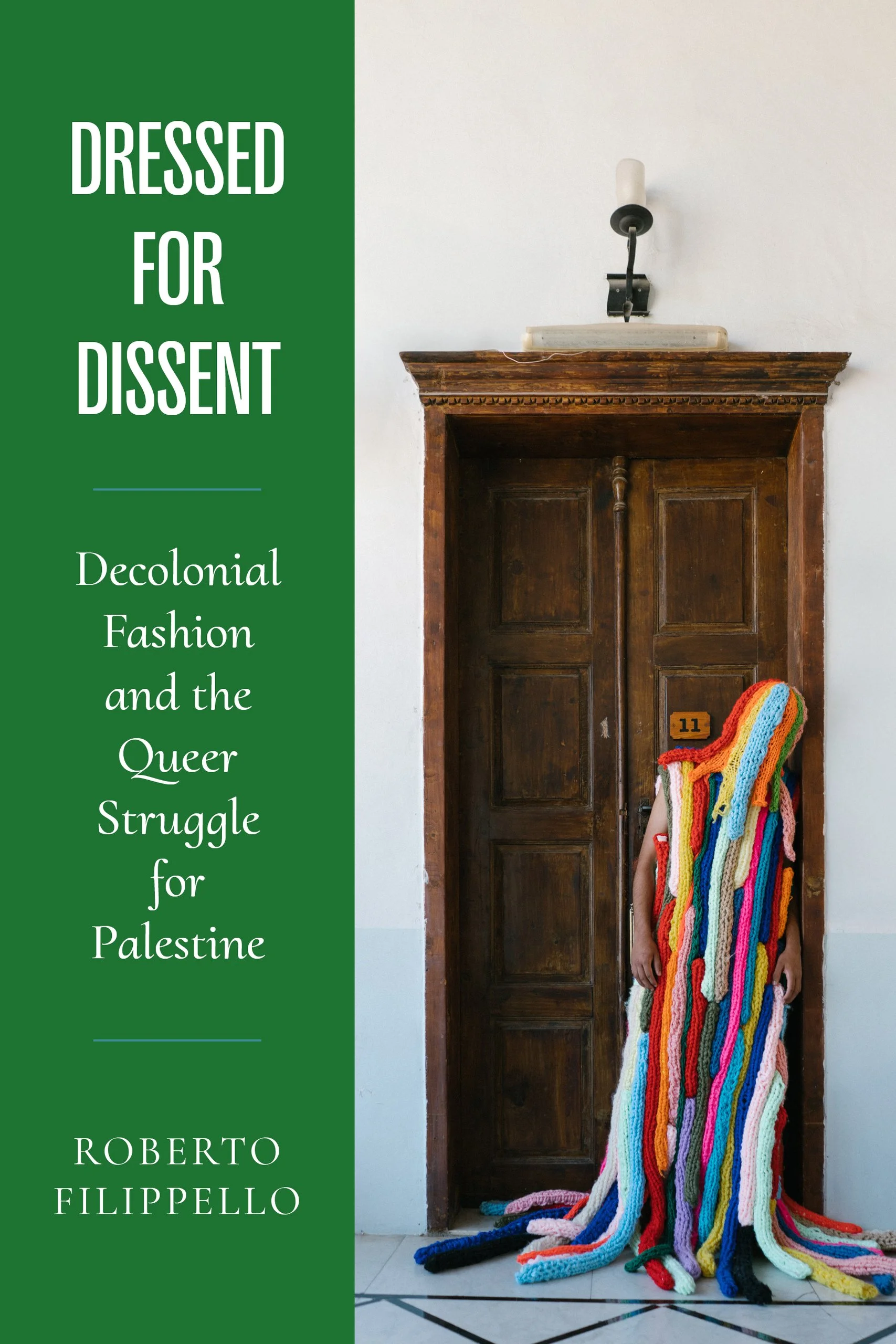
Dressed for Dissent: Decolonial Fashion and the Queer Struggle for Palestine
In the wake of the second intifada and energized by the Arab Spring, young Palestinian designers have used fashion to voice their political consciousness and forge affective communities in the face of Israeli occupation. This book proposes to understand their practices as “queer decolonial fashion,” a collaborative aesthetic ethos attuned to gender, sexuality, race, and the environment that transcends nationalist framings of the Palestinian struggle. Making the case for queer decolonial fashion as a model of creative activism, Dressed for Dissent shows how these designers’ work—imbricated with body, identity, and land—ultimately emerges as a site where a viable future for a free Palestine can be envisioned.
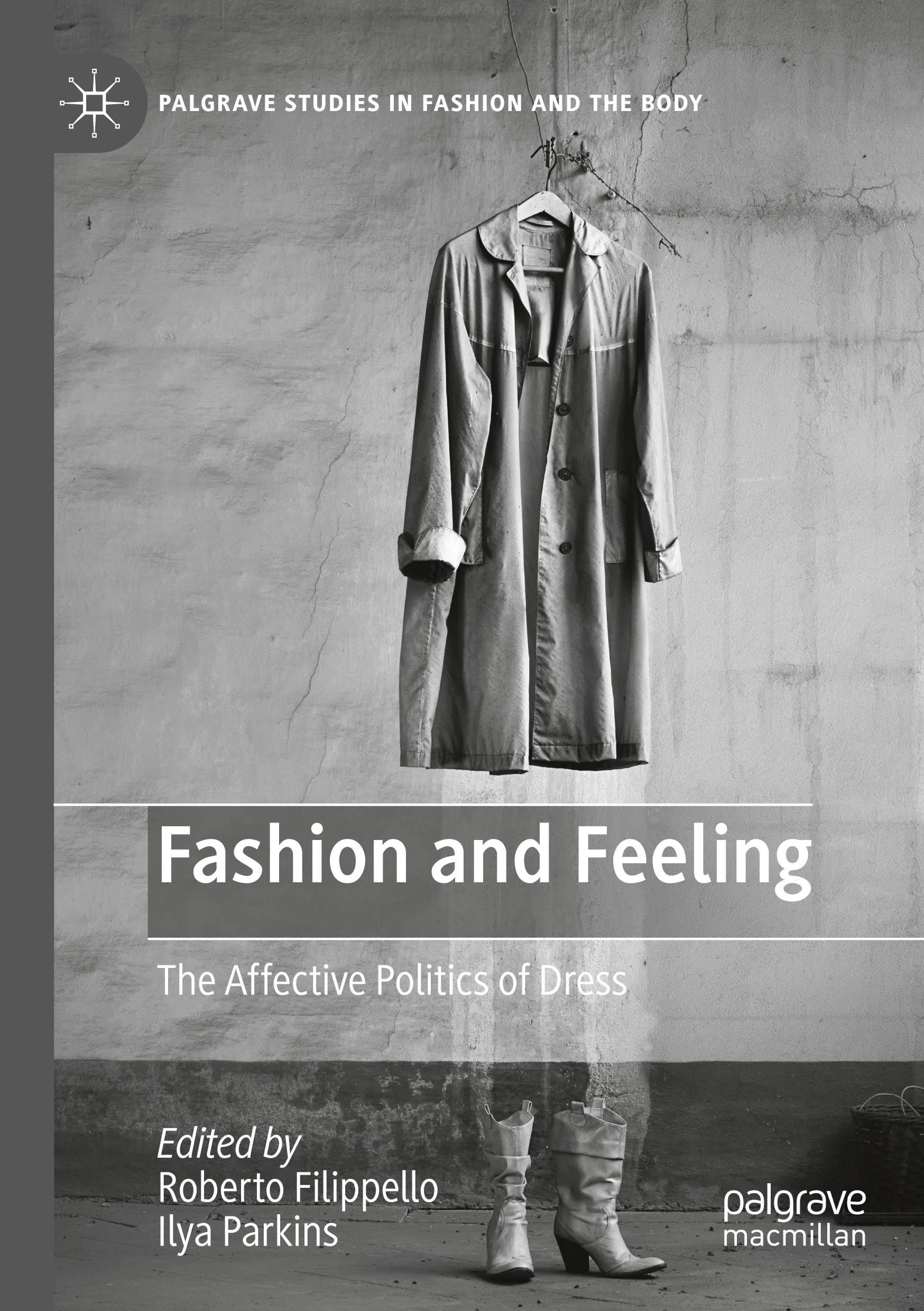
Fashion and Feeling: The Affective Politics of Dress
Fashion and Feeling: The Affective Politics of Dress explores the complex nexus of fashion and the feeling body from a variety of critical perspectives across fashion studies, anthropology, sociology, design practice, and media studies. It asks such questions as: What does fashion look and feel like in an age dominated by amplified anxiety, isolation, depression, and precariousness? How are feelings woven into clothing and mobilized through fashion practices in ways that might sustain living with a sense of ongoing crisis? How can fashion engage with the ambivalent feelings associated with our personal and collective histories, with our troubled political present, and with our imagined future? This edited volume teases out possible avenues of investigation of the clothed body and its representations through the lens of affect.